Software Project Requirements: What to Prepare Before Development
When goals, users, workflows, data, and success criteria remain unclear, custom software projects quickly accumulate rework and hidden cost.
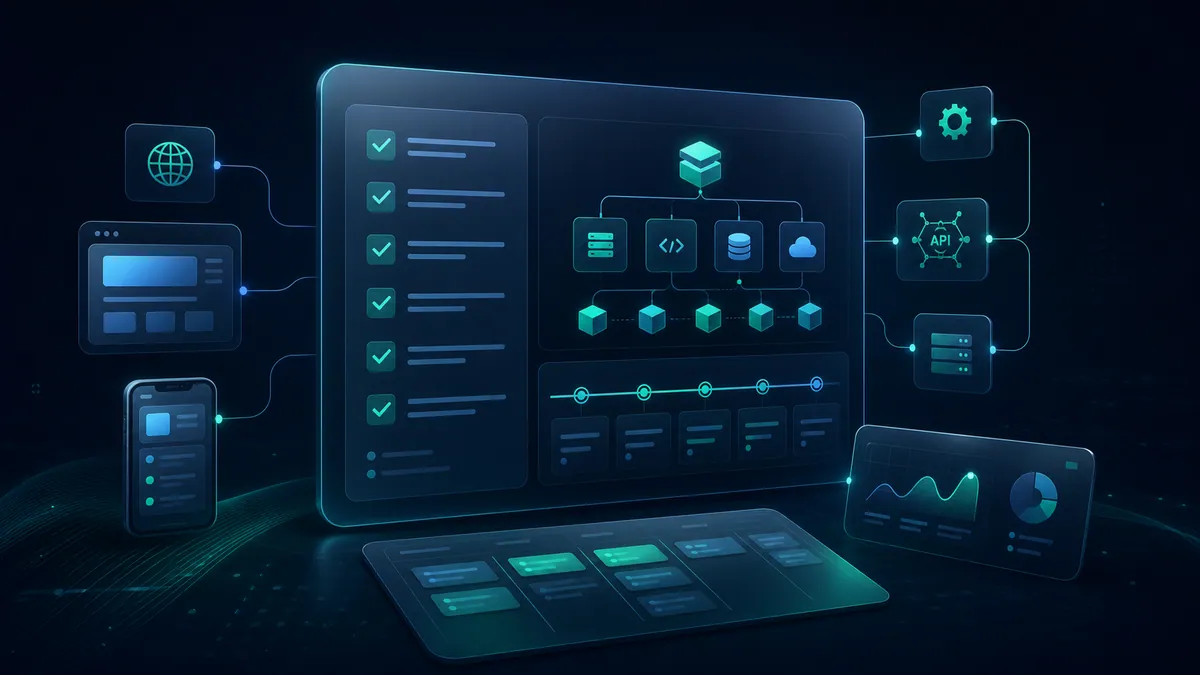
Many software projects become difficult before the first line of code is written. The cause is often not weak engineering, but an unclear starting point. A useful requirements brief gives the business and technical team a shared view of the problem, users, workflows, constraints, and expected outcome.
View Hamranik services · Discuss your project
Why clarify software requirements before coding?
Statements such as “we need a dashboard” or “we need a CRM” are not enough for architecture or estimation. The team needs to know which decision the dashboard improves, which sales stages exist, what data is trusted, and how success will be measured. Clear requirements reduce guesswork, redesign, and urgent decisions during development.
1. Write the business goal and success criteria
Start with the operational result, not the framework. Should the product reduce data-entry errors, shorten response time, expose order status, or connect systems that currently operate separately? Add a measurable signal such as reducing request entry from ten minutes to three or removing a manual daily report.
2. Identify users, roles, and permissions
Managers, operators, sales teams, customers, technicians, and partners need different information and actions. List each role, its main task, what it can see, and what it can change. This shapes interface design, authorization, audit trails, and reporting.
3. Document the current workflow step by step
Describe where a request begins, who reviews it, which statuses it moves through, when it closes, and what information must remain in history. A simple current-state map is often enough to reveal handoff gaps, duplicate work, and automation opportunities.
4. List data, reports, and integrations separately
Filters, exports, dashboards, payment, messaging, accounting, CRM, and external APIs often create more complexity than the visible screens. Identify data sources, owners, quality issues, required reports, and third-party dependencies early so the architecture can support them.
5. Prioritize the first release
The first release should not contain every idea. Separate requirements into essential for launch, important for the next phase, and ideas to validate later. This protects budget, shortens feedback cycles, and gives the team a usable outcome sooner.
Short checklist before the discovery meeting
- Primary business goal and success measure
- User roles and access levels
- Current workflow and status changes
- Forms, data, reports, and exports
- API, messaging, payment, or accounting integrations
- First-release priorities and later phases
Relevant internal links
Good requirements do not slow development down
A short discovery phase usually saves time because engineering begins with fewer assumptions. Requirements will evolve, but the first scope, decision owners, risks, and acceptance signals should be visible before major implementation starts.
Ready to clarify your project?
Share the current problem and desired outcome. We can help turn it into a practical first scope, architecture direction, and delivery plan.
Related articles
Frequently asked questions
Do we need a complete formal specification before the first meeting?
No. A clear outline of the goal, users, current workflow, important data, constraints, and first-release priorities is enough to begin discovery.
Can development start while requirements are incomplete?
Exploration can start, but major implementation should wait until the first scope and critical assumptions are clear enough to avoid expensive rework.
Who should prepare software requirements?
The client contributes business knowledge and operational reality; the technical team turns that input into prioritized, testable, and architecturally useful requirements.